

Negotiation and agreements are currently pending for political parties.
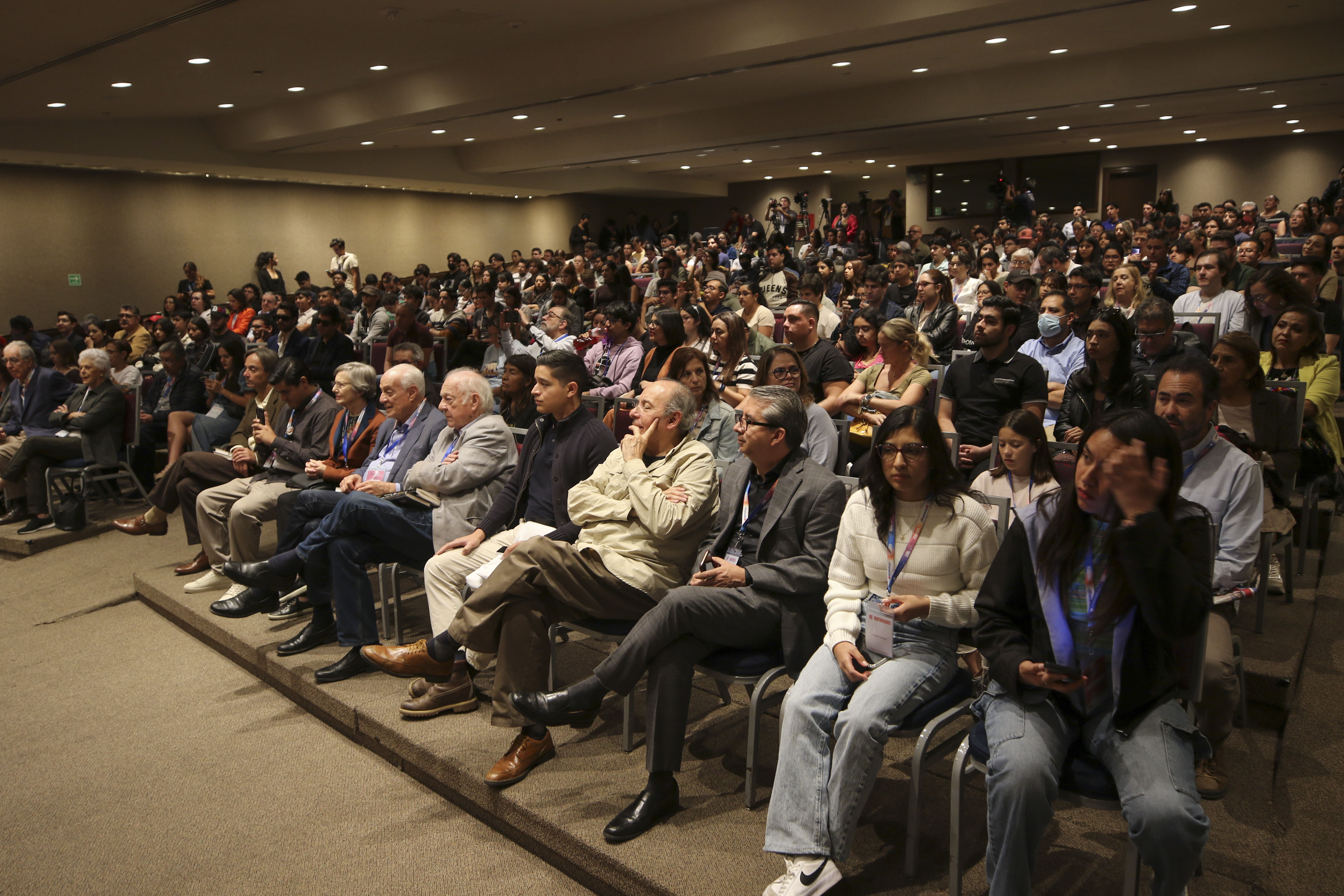
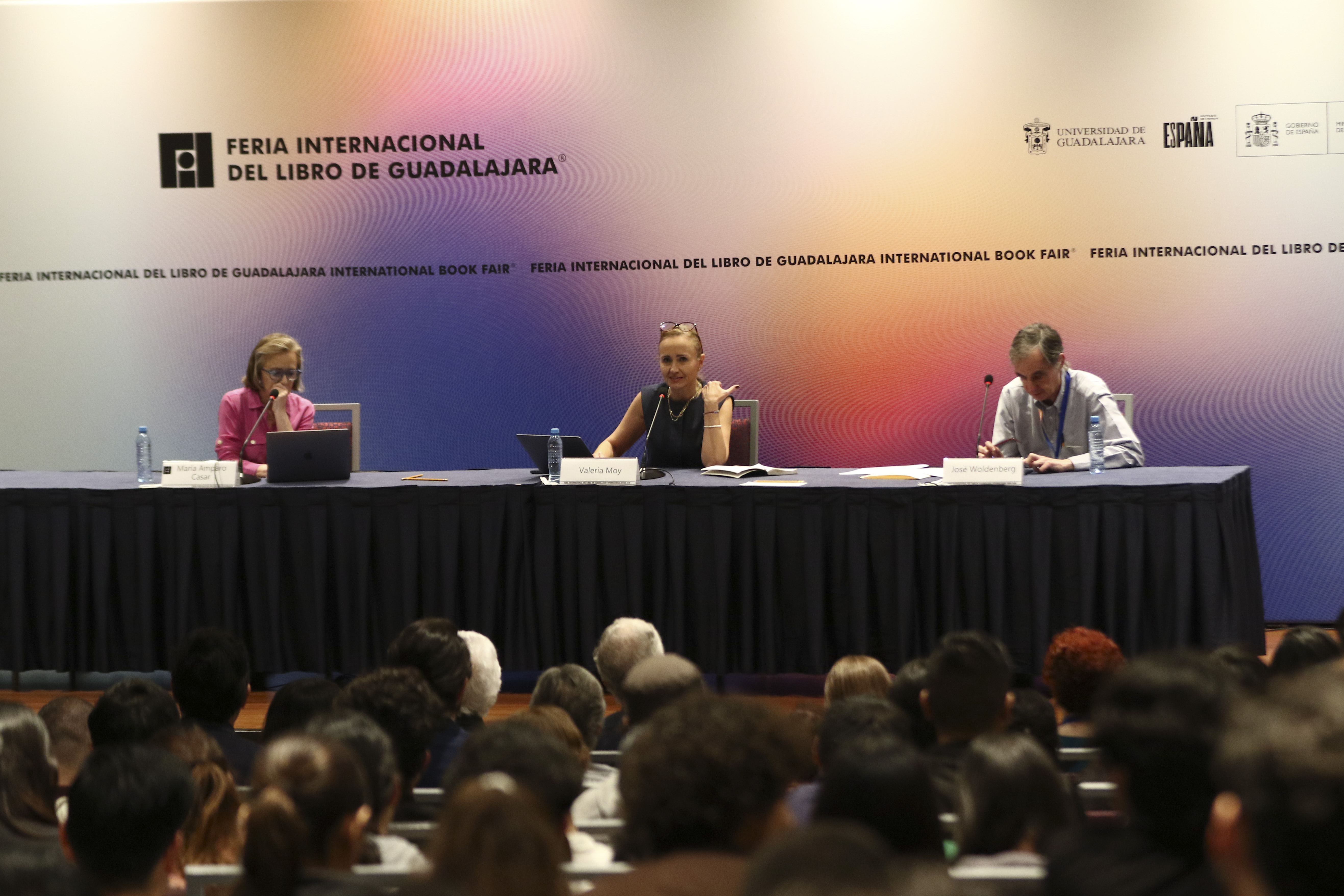
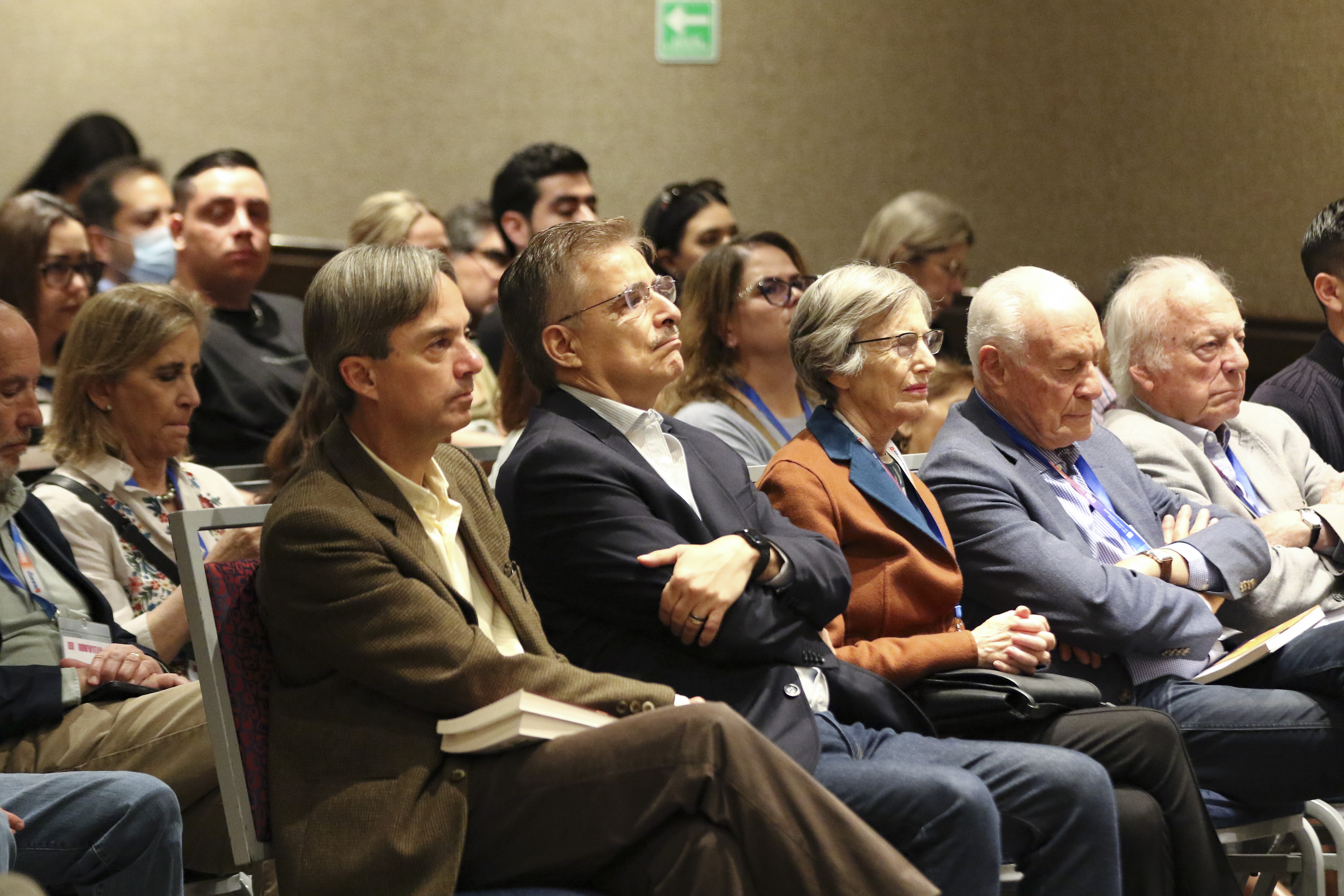
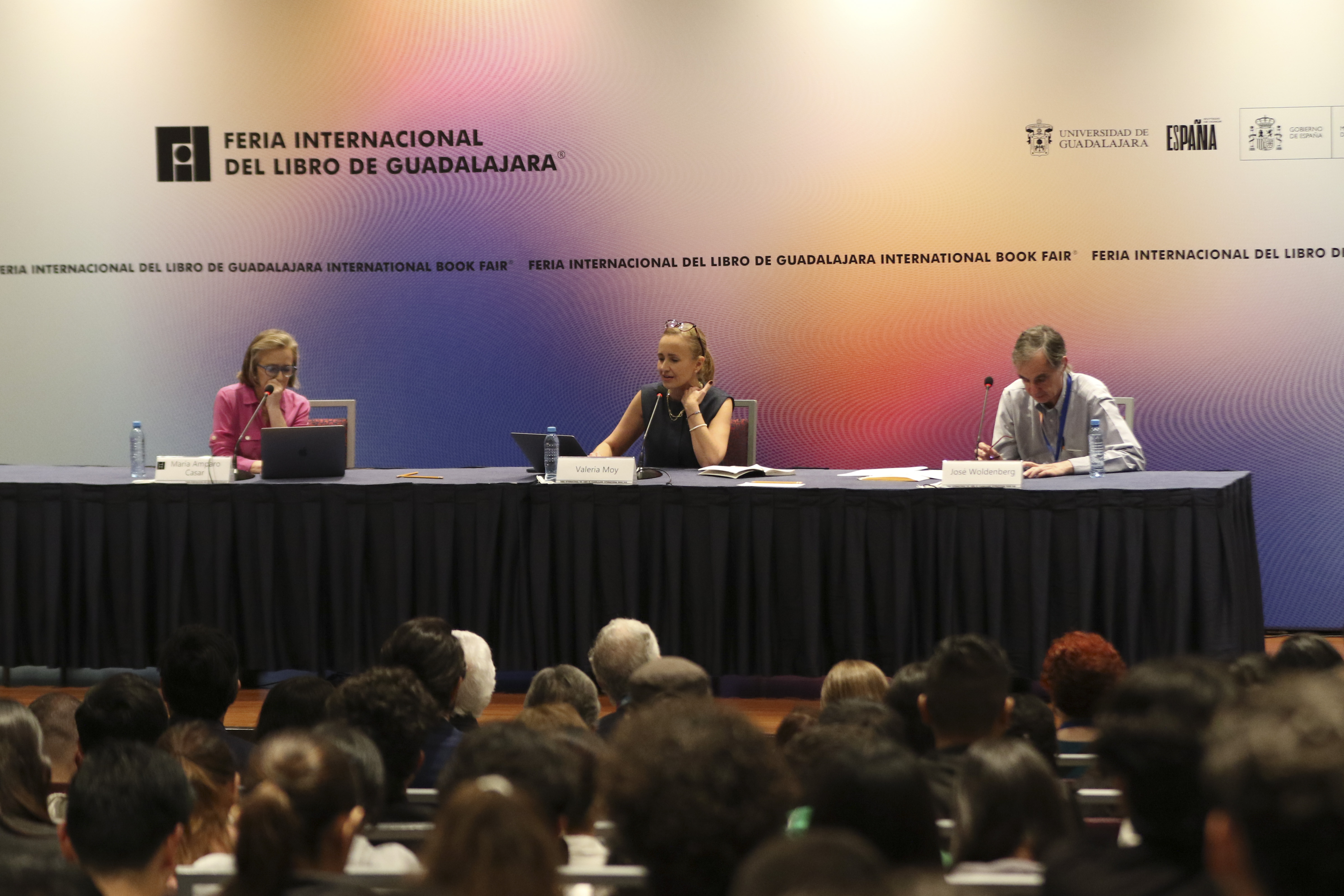
On December 2, 2012, Mexican political parties and President Enrique Peña Nieto signed the Pact for Mexico, a set of agreements resulting from a collaboration that served as an example of joint political negotiations, but which left pending issues that continue to have repercussions in the country.
This was the message shared by political analysts during the panel “2012: The promises of the pact for Mexico and the 4T as lost opportunities”, which was part of the Nexos Forum of FIL Pensamiento.
María Amparo Casar, a political analyst, recalled that these agreements emerged as a counterweight to the Executive Branch, headed by Enrique Peña Nieto, and as a demonstration that parties could influence public policies without needing to be part of the majority.
“The central idea of politics, negotiation, and a pluralistic agenda are established almost institutionally, in which parties smaller than others, whether major or with fewer seats, can influence public policies in Mexico,” Casar noted.
He indicated that within this pact, 95 commitments were agreed upon that sought the development of Mexico in areas such as the economy, education, transparency, health and governance, which he described as a success in establishing common axes to promote specific policies and strategies.
This collaborative work as the opposition strengthened institutions and enabled political parties to promote their own agendas. However, after 2018, with the change of government, negotiations between political parties were limited, and the majority's perspective became dominant, he added.
Academic José Woldenberg agreed that the Pact for Mexico is not necessarily an innovative political strategy, but it was the result of the willingness of political actors to discuss common objectives.
“The pact was possible because both the PRI and the PRD assumed a recognition of the legitimacy of their adversaries, that is very important, and in that sense it can be seen as a civilizational link; parties that had diverse ideologies, diagnoses and proposals managed to build a common ground,” he asserted.
Valeria Moy, an analyst and specialist in economic issues, highlighted that this pact was also consolidated following the public perception of a “legislative paralysis.” However, she stated that although reforms were promoted in fiscal, energy, and educational matters, these did not achieve the desired scope nor were they followed up to be fully utilized.
Finally, he stated that the public maintained expectations after the pact, but corruption scandals, such as the "White House" case, damaged the image of this political agreement.
Attentively
"Piensa y Trabaja"
“30 Years of Autonomy of the Universidad de Guadalajara and its network organization”
Guadalajara, Jalisco, December 1, 2024
Text: Pablo Miranda Ramírez
Photography: Iván Lara González
- 198 views