

Expertos dialogan el panorama de movilidad hacia EUA de niñas, niños y adolescentes no acompañados


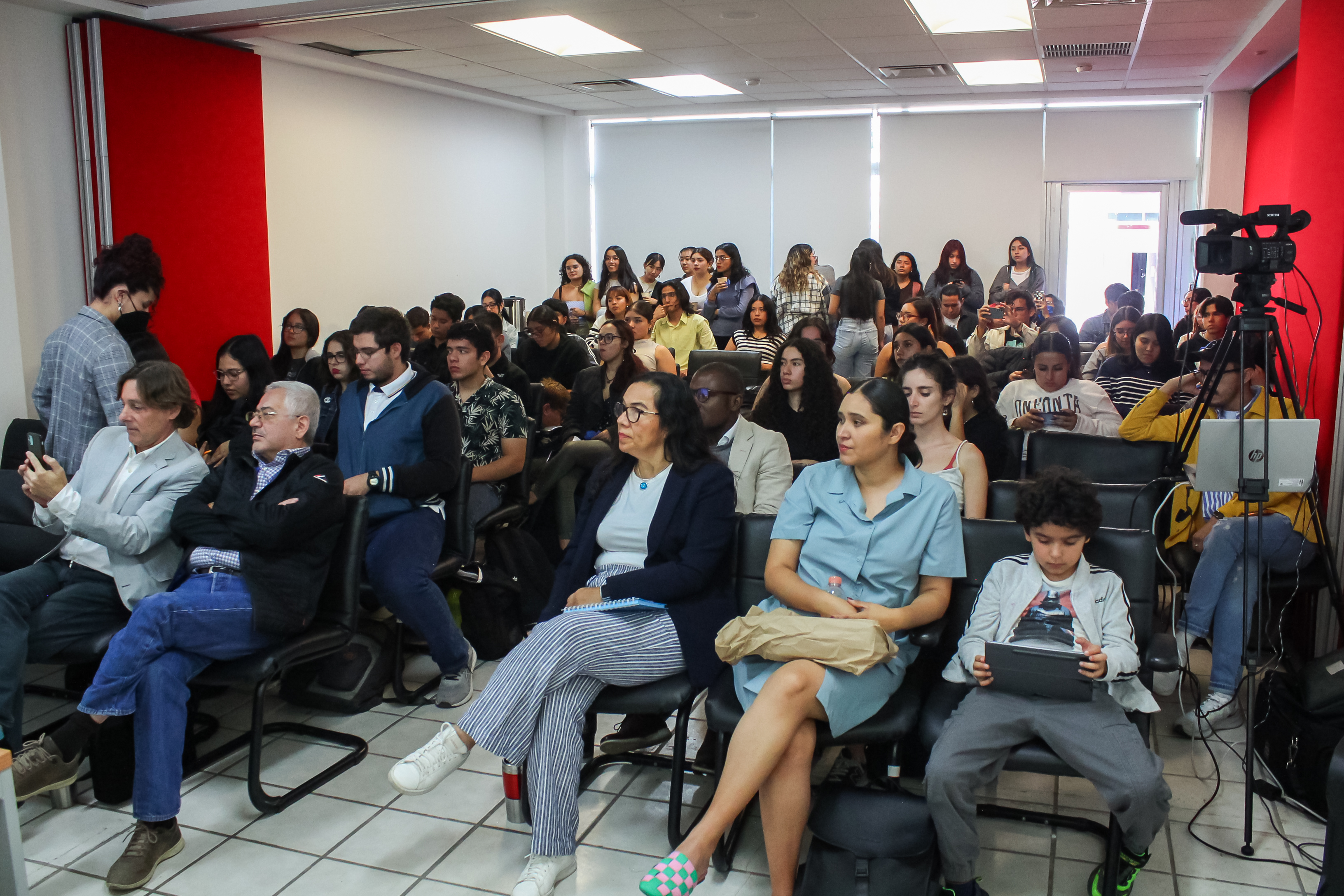

El Centro Universitario de Ciencias Sociales y Humanidades (CUCSH) de la Universidad de Guadalajara fue sede de la presentación de la investigación Tendencias actuales de la movilidad humana; el acto fue encabezado por la doctora Aída Silva Hernández, egresada de la Universidad Autónoma de Baja California; la acompañaron la doctora Ofelia Woo Morales y el doctor Robert Curley, Coordinador del doctorado en Ciencias Sociales de dicho plantel.
La investigación se centra en niñas, niños y adolescentes que se ven en la necesidad de desplazarse sin papeles desde México y Centroamérica hacia Estados Unidos sin la compañía de sus padres o tutores. Según las estadísticas presentadas, del año 2010 a 2018 se aprecia el aumento de infantes que buscaron cruzar la frontera de México a EUA por factores como la inseguridad que vivían en su lugar de origen, el desplazamiento forzado, la reunión con sus familiares (en muchos casos, sus padres) y la búsqueda de una vida mejor.
“Para muchos migrantes Estados Unidos es percibido como un país seguro; sin embargo, dicho país no tiene la intención de proteger a las personas desplazadas, aún cuando se trata de personas menores de edad”, comentó Silva Hernández.
En este momento, EUA sólo ofrece una manera para que infantes y adolescentes migrantes ingresen de manera “legal” a su país, y es solicitar la Protección Internacional, un trámite que los expertos califican de “cansado, largo y tortuoso” para los menores. Este trámite, que puede tardar más de dos años, suele ser manejado por abogados y los menores, mientras es pagado por “patrocinadores” que normalmente son familiares que se encuentran establecidos en el vecino país.
“Los menores enfrentan procesos tortuosos y largos para acceder a una residencia en Estados Unidos. Muchos de los encuestados han declarado que se sienten impotentes y tristes durante este proceso, pero hasta este momento no existe algún estudio que muestre los daños psicológicos que causa en los menores”, añadió la investigadora.
Para esta investigación fueron entrevistados 44 menores, de los cuales se supo que todos pudieron reubicarse con sus familiares en EUA. En este momento, y a pesar de su enorme flujo migratorio, dicho país se ha negado a firmar el convenio de protección para niñas, niños y adolescentes migrantes propuesto por organizaciones mundiales para garantizar la protección de infantes y adolescentes.
“Cuando las infancias y los menores no son aceptados en Estados Unidos, tienen que apelar ante un juez para que su caso vuelva a ser tomado en cuenta; sin embargo, mientras esto sucede, suelen ser repatriados a su lugar de origen, causando daños psicológicos en ellos”.
Se espera que pronto EUA acepte las diversas propuestas enviadas por organismos internacionales como la ONU y UNICEF, con el fin de garantizar la protección de los derechos humanos básicos para niñas, niños y adolescentes que tengan la necesidad de pasar por un proceso migratorio.
Para consultar todos los gráficos y datos que componen esta investigación es posible acceder a la página web de la doctora Aída Silva Hernández,
https://www.researchgate.net/profile/Aida-Silva-Hernandez
Atentamente
“Piensa y Trabaja”
“30 Años de la Autonomía de la Universidad de Guadalajara y de su organización en Red”
Guadalajara, Jalisco, 24 de octubre de 2024
Texto: Anashely Fernanda Elizondo Corres
Fotografía: Abraham Aréchiga
- 110 views