

Cities in the spotlight: reflections on the urban challenges of metropolises
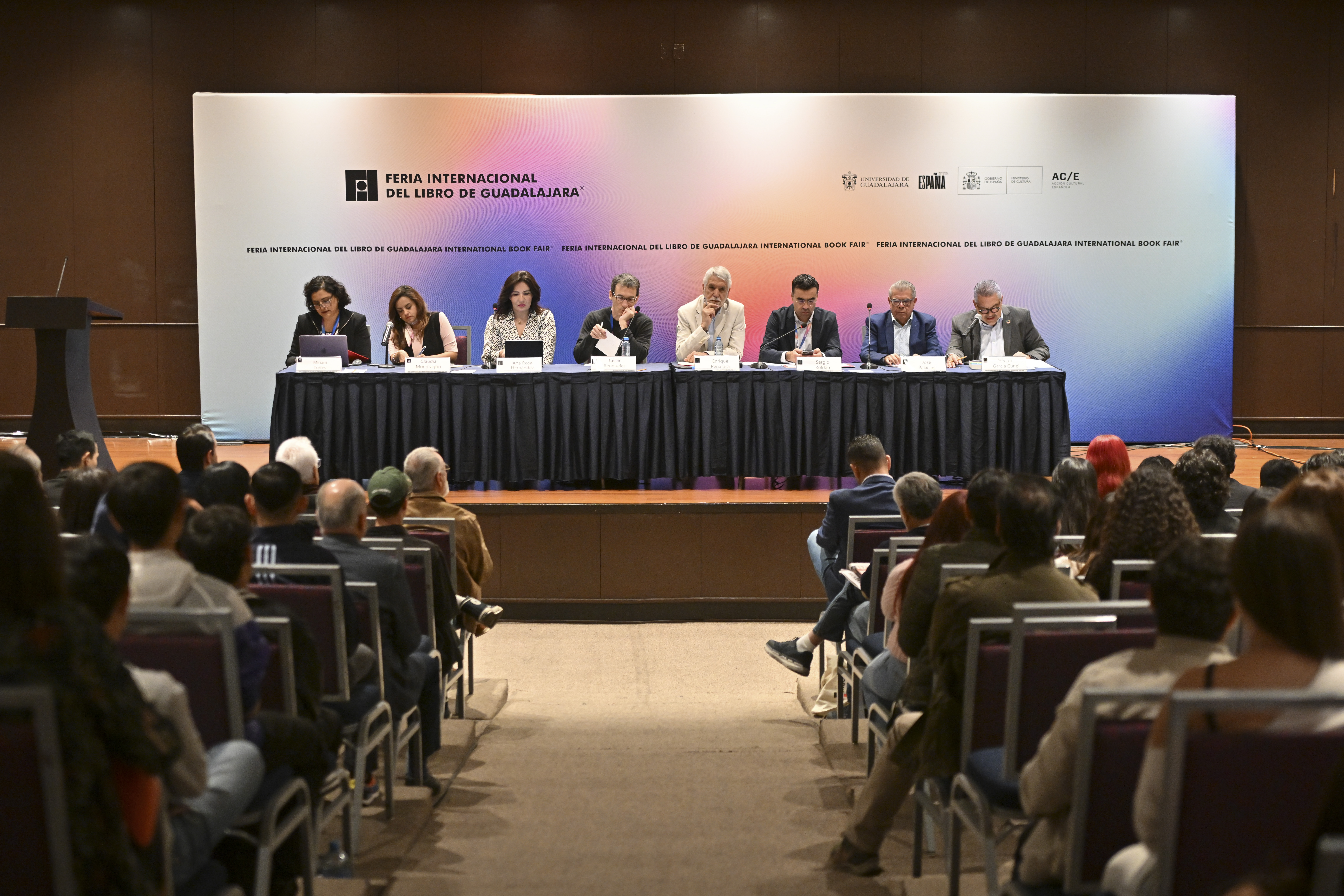
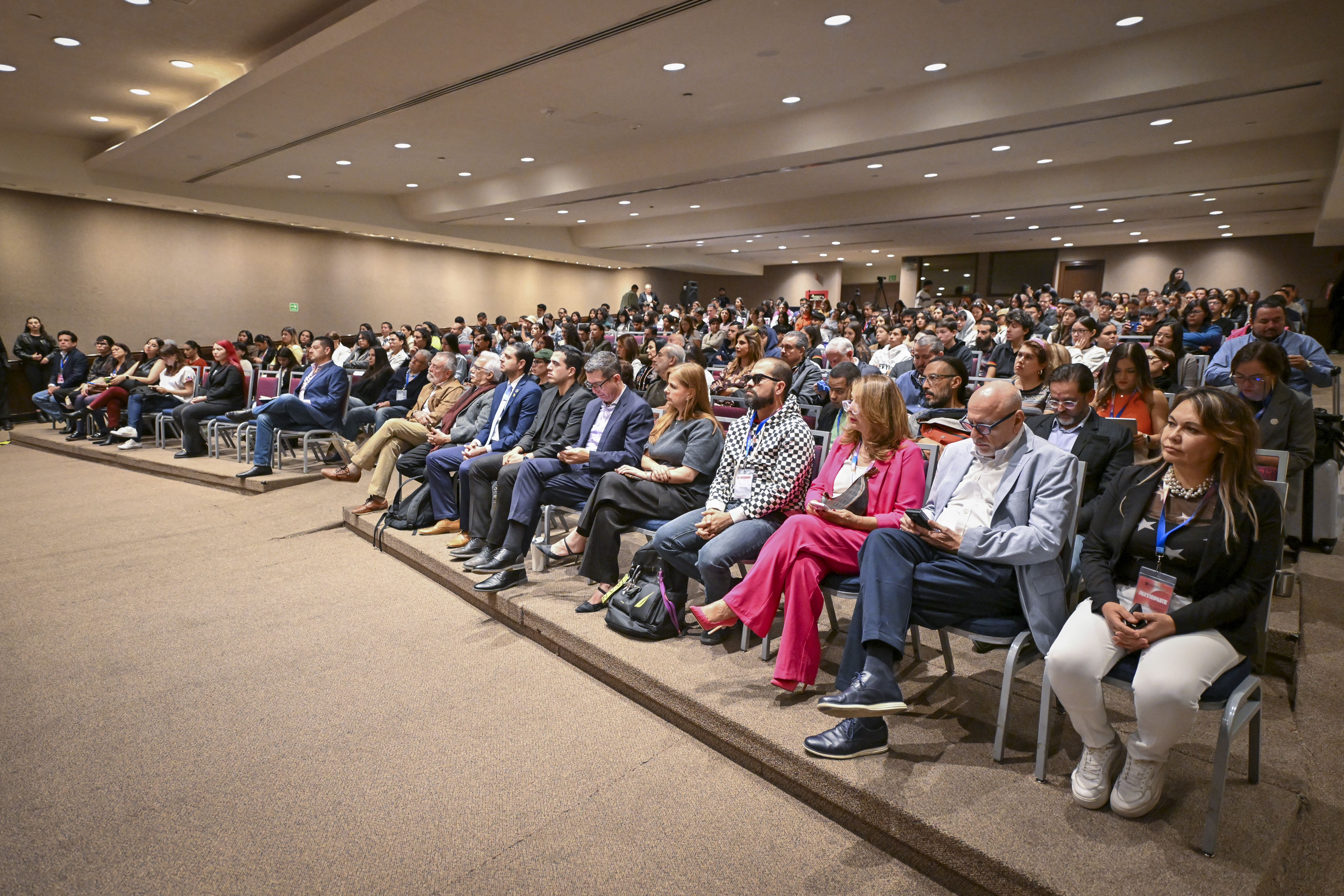
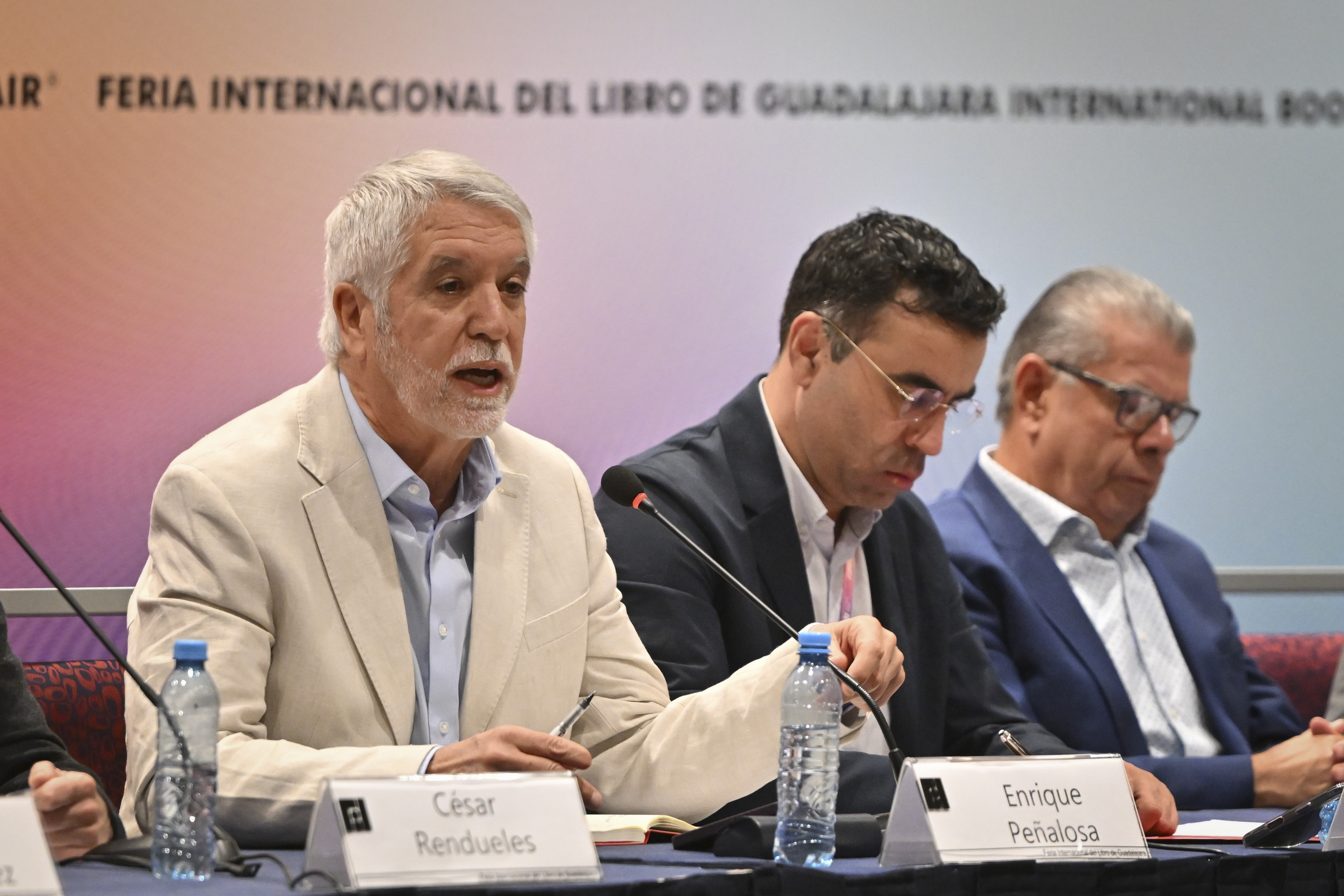
With the aim of discussing and reflecting on what a city symbolizes from different aspects and complexities, as well as recognizing the relationships we experience from different perspectives, whether Latin American or European, the panel “Cities in the global debate: democracy, habitat and sustainable futures” took place, organized by the Centro Universitario de Ciencias Económico Administrativas (CUCEA) of the UdeG, as part of the FIL Pensamiento program.
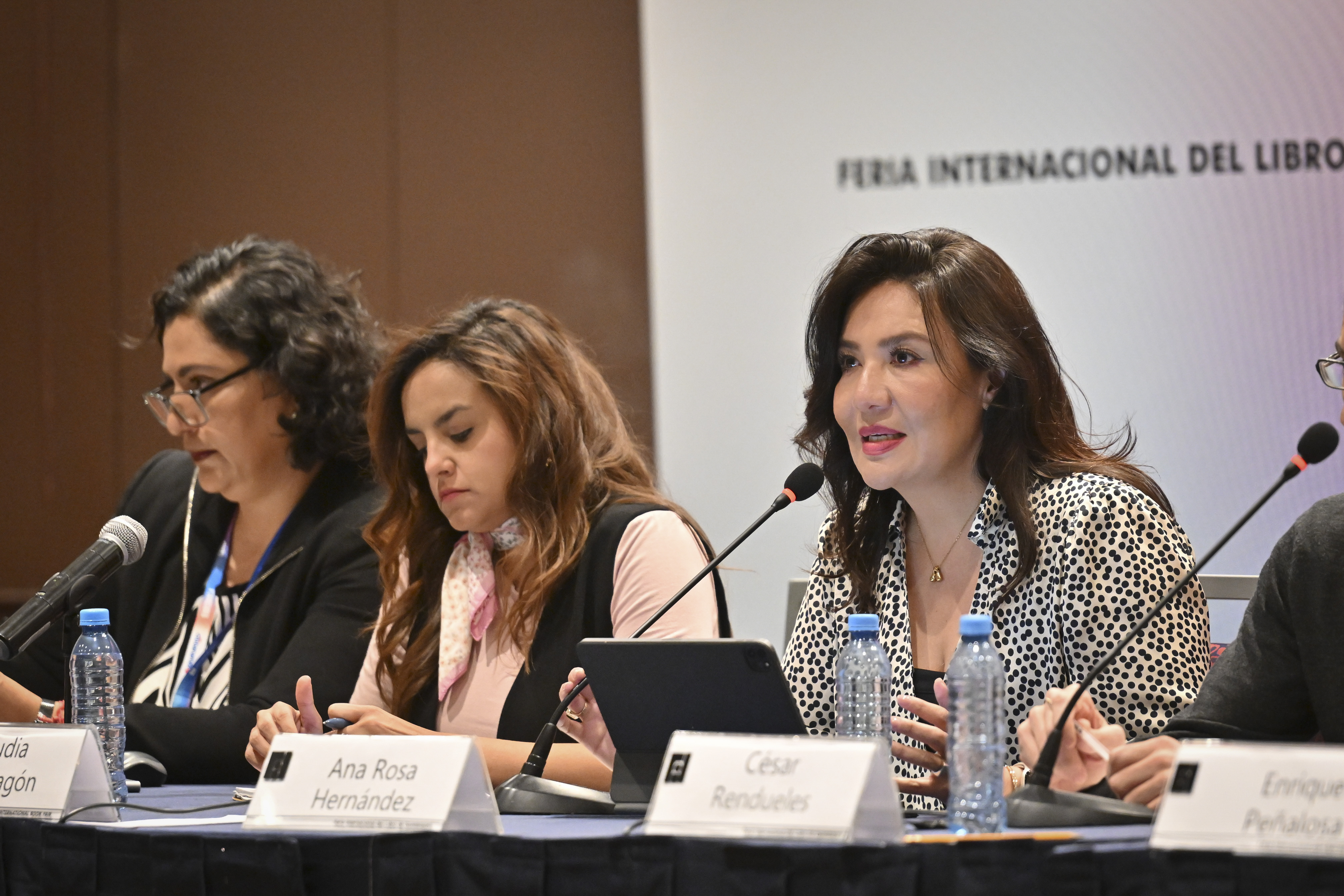
The panel included César Rendueles, Spanish philosopher and essayist, and member of the Spanish National Research Council (CSIC); Enrique Peñalosa, a world-renowned urban planning expert and former mayor of Bogotá, Colombia; Miriam Torres, councilwoman for the municipality of Zapotlán el Grande, Jalisco; Claudia Mondragón, urban planning analyst at UN-Habitat, the United Nations Human Settlements Programme; Ana Rosa Hernández, Secretary of Communications and Public Works for the state of Durango; José Palacios, a businessman from Guadalajara and promoter of the Vía RecreActiva (Recreational Route) in Guadalajara; and Sergio Roldán, a Colombian lawyer specializing in strategic urban planning. The panel was moderated by Héctor García Curiel, General Coordinator of Heritage for the [unspecified organization]. UdeG.
Cities and the environment
The members of the panel discussed the challenges each of them faces from their respective positions; for example, Miriam Torres, from Zapotlán el Grande, highlighted the irreversible damage caused by the blackberry, strawberry, and avocado agro-industry to the soil, which also requires liters and liters of water; however, she commented that her objective is to take care of and address these issues to guarantee the protection of the soil and water, so that it does not affect the population.
For Sergio Roldá, the environment will always be a challenge; air, water, waste, and soil are the cornerstone of cities, which are also affected by migration and tourism.
In Durango, the challenges are replicated, since, according to Ana Rosa Hernández, within the government's policies, the most essential thing is the maintenance of three natural reserves that feed neighboring states, as well as the control of urban sprawl, the regulation of population growth, and controlled expansion.
The question arises: why haven't we implemented more policies to benefit our communities if we've known for a long time that we're in crisis? This is how César Rendueles opened his participation; he commented that caring for the environment does not depend only on society, but on the implementation of public policies that go beyond our autonomy; he emphasized: “The battle is political and the interests are diverse; we already know that livestock farming and the agricultural industry are highly polluting, but governments fear losing their political autonomy.”
Claudia Mondragón emphasized that the fight for sustainability must begin in cities, because that is where most problems are concentrated, problems that can highlight social inequalities. She spoke about how the population is displaced, in many cases, to the periphery, fostering informal housing and becoming victims of limited mobility. “Local governments should be the first responders in addressing these problems,” she commented.
José Palacios emphasized the importance of equality in the population and exemplified that projects such as the Vía RecreActiva promote equity among citizens.
Former Bogotá Mayor Enrique Peñalosa spoke about what cities symbolize for him: “They are habitats for human beings and must be built to promote human happiness.” He added that fostering efficient and extensive public transportation accessible to all, and promoting equal access to roads, is fundamental to the city's sustainability.
In closing, the speakers emphasized the need for citizen participation in government decision-making, in order to prioritize social needs, and to seek several good, successive, and coordinated governments that continue working on public policies that benefit citizens, even if their party does not share those ideals.
They also discussed the coordination of the state, academia, and private sector to create sustainable and equitable cities, and the sovereignty of global municipalities to act according to their needs, since, they warned, if we do not change the lifestyles we have replicated to date, we put all of human civilization at risk.
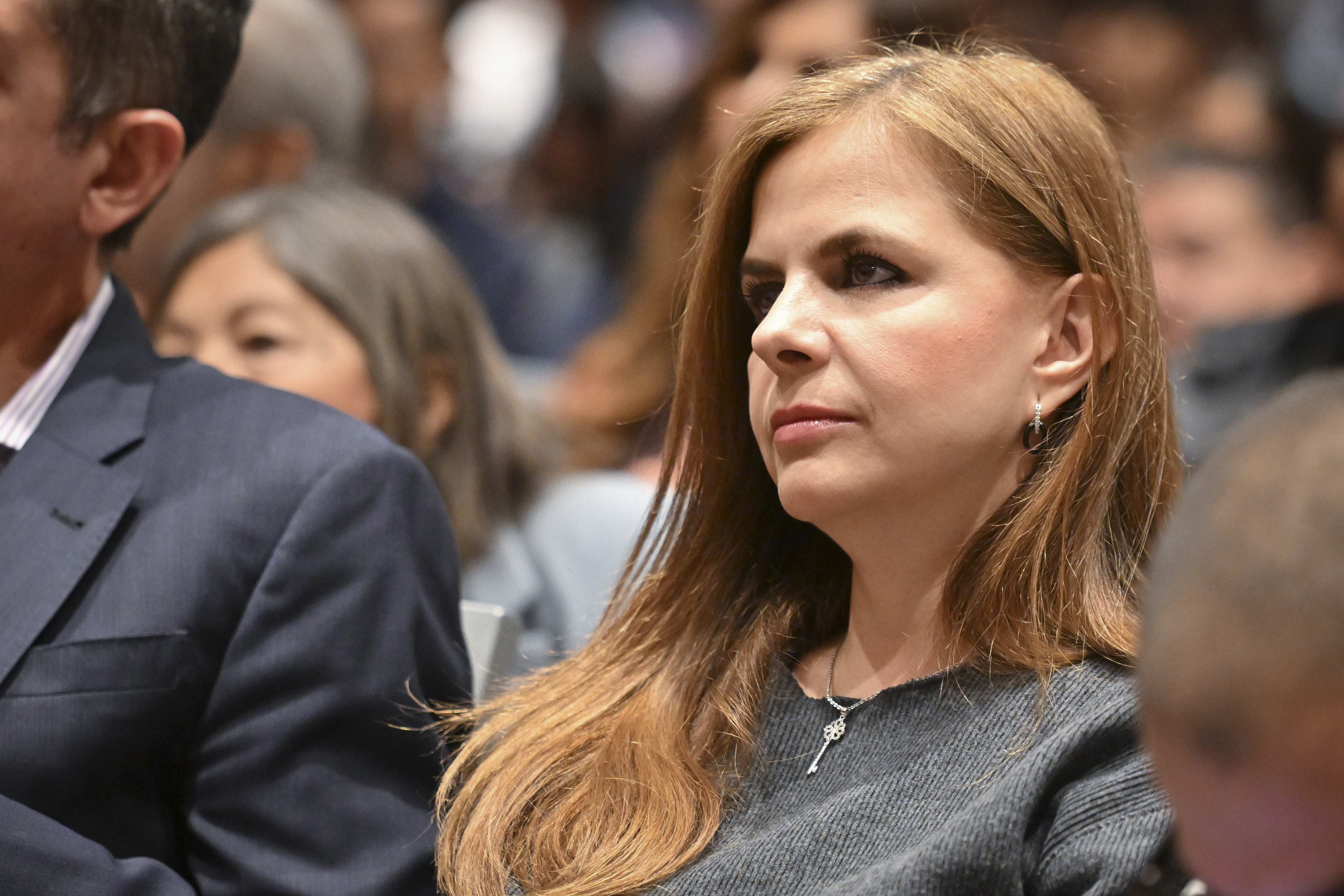
“Cities in the global debate: democracy, habitat and sustainable futures” was attended by the Rector General elected, Karla Planter Pérez; and the Rector of CUCEA, Gustavo Padilla Montes.
Attentively
"Piensa y Trabaja"
“30 Years of Autonomy of the Universidad de Guadalajara and its network organization”
Guadalajara, Jalisco, December 5, 2024
Text: Anashely Fernanda Elizondo Corres
Photography: Fernanda Velazquez
- 293 views